

Contact Information
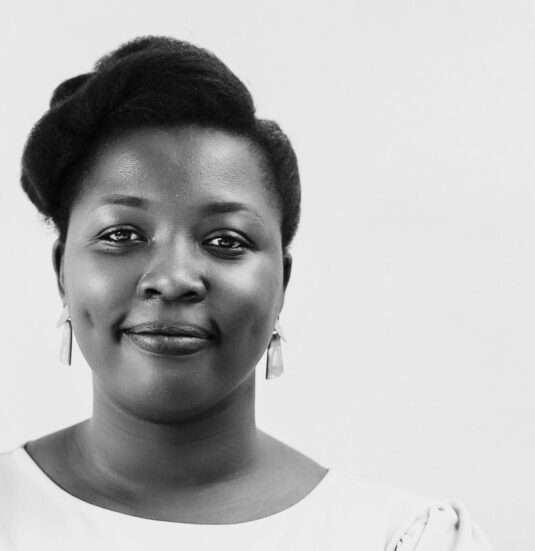
Sandra Aceng
Sandra Aceng is member of the DIID Advisory Board. She is a gender and ICT researcher, policy analyst, writer, and Wikimedian. She integrates gender perspectives into digital rights and ICT policy, focusing on how technology affects women’s safety, freedom of expression and all issues related to women’s rights online. Sandra is currently the Executive Director at Women of Uganda Network (WOUGNET), where she champions women’s rights online. A recognised woman human rights defender, Sandra was DefendDefenders’ Human Rights Defender of the Month in 2021. Notably, she contributed to the 2022 book "Technology and Domestic and Family Violence: Victimisation, Perpetration, and Responses". Sandra has served on expert bodies, including the UNFPA Advisory Group for the 2025 and 2026 Global Symposium on TFGBV and UNFPA's Africa's first-ever TFGBV symposium in 2025, and is currently serving on Ofcom UK's Expert Advisory Board for a literature review on TFGBV. She also contributed to the development of a UN legislative supplement addressing technology-facilitated violence against women and girls. She also served as a global research advisor on TFGBV for a UK-based organisation, Q3-Strategy (https://rutgers.international/resources/decoding-technology-facilitated-gender-based-violence-a-reality-check-from-seven-countries/)
Sandra is a Global Voices contributor, an Impakter Magazine contributor, a former Associate Editor at Directory of Open Access Journals (DOAJ), a 2020 Global Network Initiative (GNI)/Internews Fellow, and a 2021 OPTIMA Data-Driven Activism Fellow, where she researched the impact of Internet shutdowns on women. She was selected as one of the 40 fellows for the virtual edition of the African School on Internet Governance (AfriSIG) class of 2021. She currently serves on the Global Network Initiative Accountability Committee (AC) 2025-2026. Sandra leads efforts to advance data justice research and practices in Uganda, including copyright, surveillance, disinformation, digital forensics, etc., by engaging policymakers, developers, and marginalised groups such as women and persons with disabilities. Through Wikimedia projects, she promotes feminist knowledge, digital inclusion, and community empowerment. In 2026, Sandra was featured in the Wikimedia Foundation Annual Report 2024-2025, where she was highlighted among six contributors of note, and was one of the two editors highlighted who, as noted there, "represent the best of Wikipedia beyond the ALS article." https://wikimediafoundation.org/annualreports/2024-2025-annual-report/#toc-people-1712315588067